


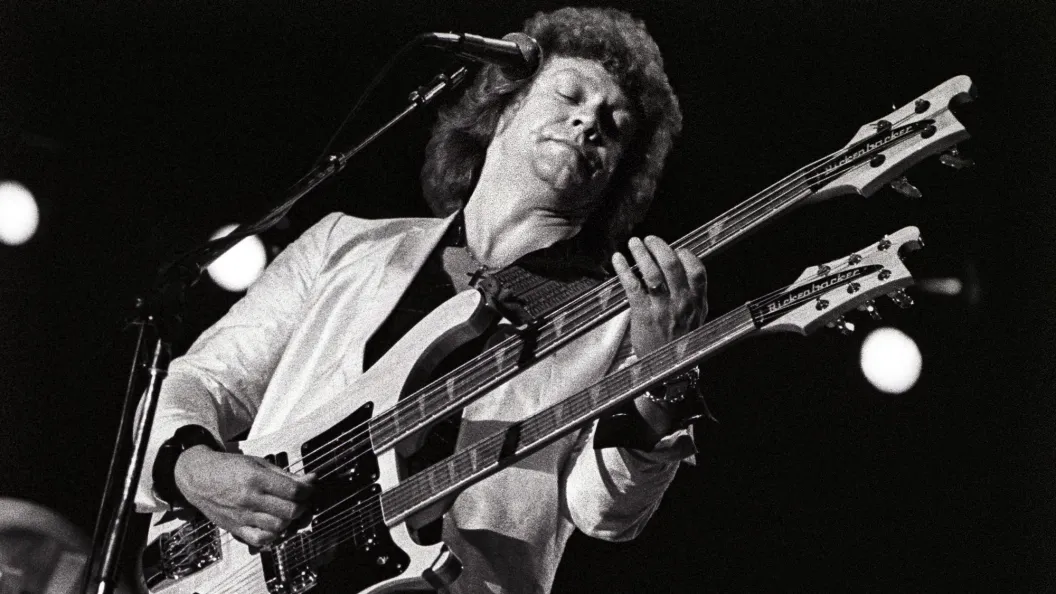
Photo by Rob Verhorst/Redferns
Even the most successful bands undergo some turmoil at some point. The best of them rise above the problems and still deliver greatness. When The Moody Blues released Long Distance Voyager in 1981, they achieved just such a resilient success.
Many had given up on the band as a major musical force. Meanwhile, they had to replace two key elements of their previous formula. But they delivered a triumphant album that reestablished their status as an elite rock outfit.
Slumping Moodies
The Moody Blues didn’t exactly break up in 1974. But the strain of the furious pace they’d kept since reinventing themselves as orchestral rock standard-bearers with Days Of Future Passed in 1967 proved too much for them to immediately continue. They took off an extended hiatus.
When they returned with Octave in 1978, the music scene had drastically changed. They struggled to recreate the magic of their early 70s triumphs. The album limped to a rather nondescript reception. Just one album back from their break, and they were once again at a crossroads.
Further complicating matters, Mike Pinder, their longtime keyboard wizard, decided not to tour in support of Octave. The band also received notice that Tony Clarke, who’d produced them since Days of Future Passed, wouldn’t be returning for their next record. Their prospects heading into the 80s didn’t look great.
Going ‘Long’
Patrick Moraz, who’d filled in for Pinder on the Octave tour, stayed on for the making of Long Distance Voyager. The former Yes member brought a phalanx of synthesizers with him, updating the band’s sound. Pip Williams, known for his work with the British band Status Quo, took the production role.
The Moody Blues intended to track Long Distance Voyager at their self-owned studios. But the scheduled date for the sessions in London was pushed back months as the band fretted about how to proceed.
In the end, they came up with a sound that mixed in the melodic strengths of the past with a more aggressive, rock-oriented attack. The latter influence could be most felt on the singles “The Voice” and “Gemini Dream”. Those synth-drenched tracks fit seamlessly with the arena rock that was dominating American radio at the time.
A Surprise Chart-Topper
Long Distance Voyager also featured the band’s unerring touch with ballads, evidenced on beauties like John Lodge’s “Talking Out Of Turn” and Justin Hayward’s “Meanwhile”. There’s even a callback to their thematic years with a closing three-song cycle composed by Ray Thomas.
Many of the fans who ate up Long Distance Voyager were new to the band and unaware of their rich past catalog. Veteran backers of the Moodies also followed them into the new era. Long Distance Voyager stunned the rock world by landing at the top of the United States albums chart.
The band tried running it back with the same personnel and vibes on The Present in 1983 to severely diminished returns. But that was all right, because it just set them up for another unlikely bounce-back with The Other Side Of Life in 1986.
(Photo by Rob Verhorst/Redferns)
The post The Moody Blues Changed Personnel and Strategy on Their Way to This Surprising No. 1 Album in 1981 appeared first on American Songwriter.
Author: Jim Beviglia