


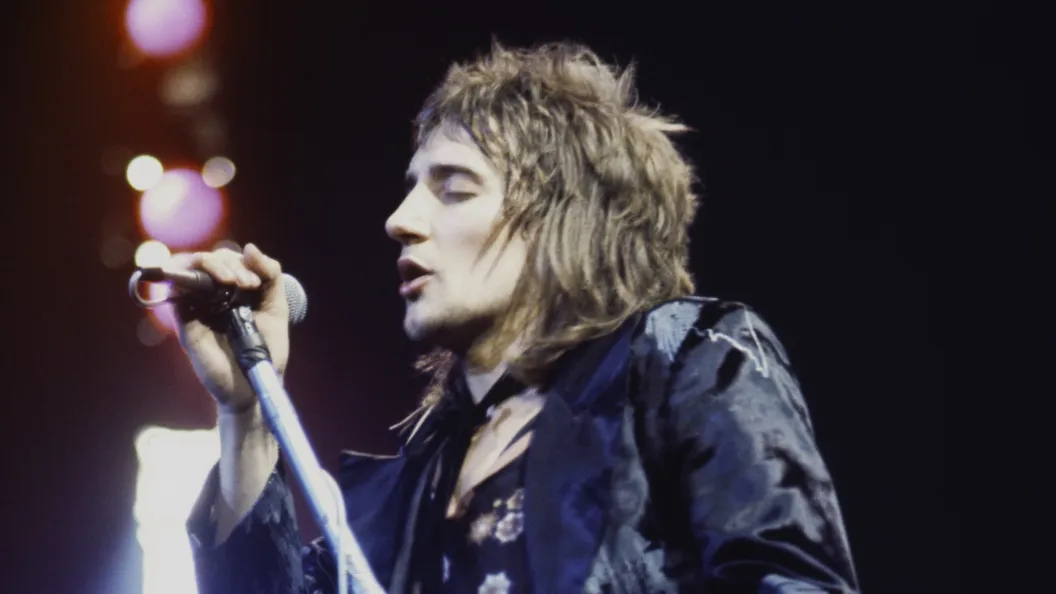
Rod Stewart and Ronnie Wood developed into two of the biggest rock stars on the planet. But for a while at the end of the 60s, they were a pair of somewhat little-known free agents. And they were seeking the gig that might set them apart from the hundreds of British musicians looking for fame and fortune.
Stewart and Wood joined a somewhat established band and helped transform their style almost immediately. That group proved a stepping-stone to the stardom that the two soon enjoyed.
Rod and Ronnie
The Small Faces didn’t seem like a band on the decline when their lead singer Steve Marriott departed them in 1969. Over the previous few years, they’d churned out as many hits in the UK as any pop band in that stretch. They’d even crossed over to US radio with “Itchycoo Park”.
On top of that, their 1968 album Ogdens’ Nut Gone Flake, one of the rock genre’s first sincere attempts at a concept LP, wowed critics and scored big in Great Britain. Unfortunately, Small Faces made the album via ornate studio wizardry. They found that they didn’t know how to turn it into a live show.
Marriott became frustrated with the band constantly getting labeled as a pop act. He left to form Humble Pie with a young guitar prodigy named Peter Frampton. That left the remaining members of the band (Ian McLagan, Ronnie Lane, and Kenney Jones) wondering what they were going to do next.
Faces in Need of a Head
Rod Stewart and Ronnie Wood were already close friends from their time spent playing in the Jeff Beck Group. Stewart, fed up with Beck’s often demanding manner as a bandleader, signed a solo deal in 1969. Wood played on his debut album, An Old Raincoat Won’t Ever Let You Down, which was recorded in the summer of that year.
The Jeff Beck Group officially crumbled after bailing on a possible appearance at Woodstock. Wood then began informally jamming with the remaining three-quarters of the Small Faces at their London rehearsal space. Stewart tagged along a few times. He wasn’t necessarily thinking about joining. Instead, he came mainly so he could accompany them all at the pub following the sessions.
Eventually, Kenney Jones asked Stewart to sit in on a few tracks with them. The chemistry was apparent as soon as he grabbed the microphone. This one-time psychedelic group, thanks to Stewart and Wood, suddenly sounded like a rough-and-ready blues-rock outfit. Yet the group didn’t immediately ask Stewart to join.
From Psychedelia to Blues
Small Faces had been burned somewhat by the mercurial behavior of Marriott. As such, McLagan and Lane hesitated to quickly take on another lead singer. But they didn’t have any better options. Finally, they relented and gave Rod the gig. They changed their name simply to Faces because Stewart and Wood were a little bit too tall for the other moniker.
The changing of the brand was also wise because Faces were playing a brand of music that was a far cry from what Small Faces offered. They gained a reputation as an energetic, if occasionally shambolic, live act. And they hit their peak in 1971 with A Nod Is As Good As A Wink…To A Blind Horse, their brilliant third album.
Alas, some of the fears of McLagan and Lane were realized when Stewart soon started paying far more attention to his rapidly ascending solo career than to Faces. But for a while anyway, this quintet proved that a rock band can indeed have a second act, especially when two incendiary talents come into the fold.
(Photo by Michael Putland/Getty Images)
The post These Two Future Rock Legends Radically Transformed an Established Band in 1969 appeared first on American Songwriter.
Go To Source | Author: Jim Beviglia
3 Songs From 1979 That Will Instantly Put Almost Anyone in a Good Mood »