


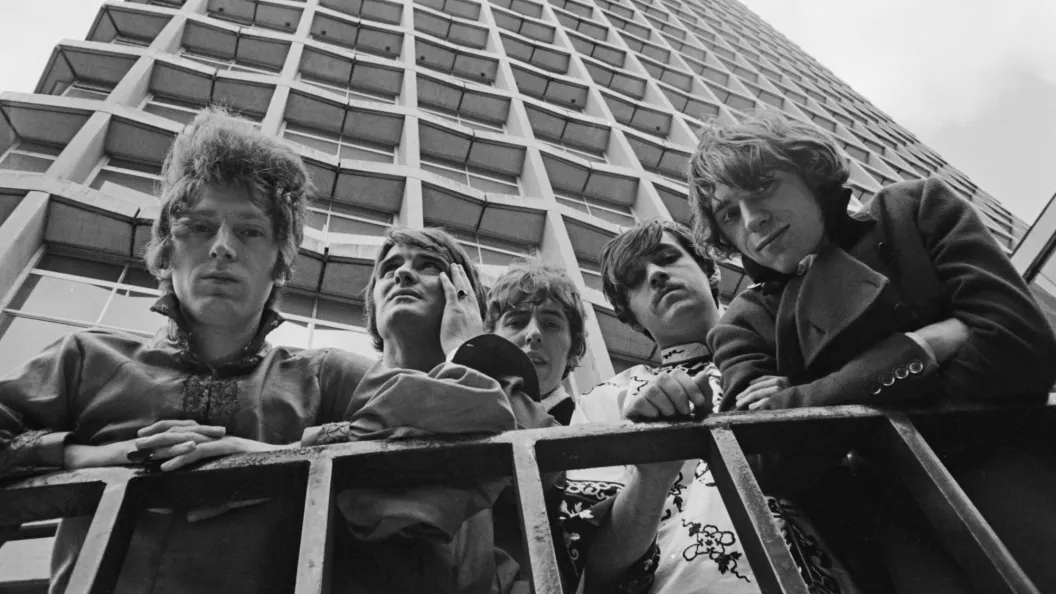
When Procol Harum made their debut in the late 60s, the British band sounded like no one else on the radio. Other British bands concentrated on rocking based on blues and R&B influences. But they were just as likely to project classical vibes.
Their unique approach didn’t always translate to pop success (although sometimes it did). Nonetheless, these four songs prove how captivating this band could be.
“A Whiter Shade Of Pale”
If you were going to make a list of the most iconic 60s songs, “A Whiter Shade Of Pale” would have to be a no-brainer inclusion. Other artists had already made inroads in combining classical with pop by that time. But very few had managed to meld the two distinct sounds so seamlessly. Matthew Brooker’s moaning organ riff, which borrowed from Bach, sets the mournful tone. Nobody has ever been able to quite put a fine point on the meaning of Keith Reid’s lyrics. But they’re eminently singable and certainly evoke a trippy yet melancholy mood. Add in Gary Brooker’s thrilling lead vocals, which find infinite soul in that swerving, swooping melody, and you end up with baroque pop perfection.
“Homburg”
Having thrived with their debut single “A Whiter Shade Of Pale”, Procol Harum unsurprisingly went back to the baroque well on the follow-up single. You can argue that “Homburg” hits as many high points as their previous smash, even though it didn’t do nearly as well on the charts, especially in the US. Keith Reid’s lyrics talk about someone whose world seems to be shifting underneath them. In that respect, the song is reminiscent of Bob Dylan’s “Ballad Of A Thin Man”. The other elements remain in place from “Pale”, although Gary Brooker’s elegant piano plays a more prominent role. Unlike “Pale”, which fades out suddenly, this one features several late repeats of the refrain.
“Conquistador”
While many of their songs were based around keyboards, Procol Harum also boasted a standout guitarist in Robin Trower. “Conquistador” represents one of the rare times that Trower had a chance to step to the musical fore. His crunching guitar plays nicely off the dramatic brass and string flourishes. Whereas it was usually a lyrics-first arrangement in terms of the songwriting for this band, here was one case where Gary Brooker delivered the music first. It inspired Keith Reid to deliver a tale that was typically far afield from the usual rock song subject matter. A live version of the song reached the Top 20 four years after the studio take in 1967.
“A Salty Dog”
Procol Harum never again scored on the singles charts the way that they did in their first year of recording (apart from the belated live success of “Conquistador”). Instead, they started focusing a bit more on album-length statements like A Salty Dog in 1969. Surprisingly, for a band that so rigorously incorporated a classical feel into their music, the title track from that album marked the first time they worked with a full orchestra in the studio. That decision brought an extra touch of majesty to this recording, even as the tale being told is a sorrowful one. Unless, that is, you believe Keith Reid’s lyrics are suggesting that the doomed sailors actually find their salvation and redemption at the song’s end.
(Photo by Ivan Keeman/Redferns)
The post 4 Songs That Display the Baroque Pop Brilliance of Procol Harum appeared first on American Songwriter.
Author: Jim Beviglia
« Kacey Musgraves and Miranda Lambert Put the Past Behind Them With Surprise Onstage Duet in Texas