


When the 60s turned into the 70s, rock music stood at a fascinating intersection. Different genres like hard rock, prog rock, and funk melded at times into a wild fusion that, as heady as it was, often captivated pop music audiences.
“Green-Eyed Lady”, the most memorable song from the Colorado band Sugarloaf, demonstrates this phenomenon. It didn’t skimp on the instrumental virtuosity. But it never strayed too far from the hooks that helped it to the Top 10 in 1970.
The “Eyes” Have It
Sugarloaf emerged from a late 60s band known as The Moonrakers. For a while, they went by the moniker Chocolate Hair. But they were advised that such a name might be interpreted as some sort of racial commentary. They settled on Sugarloaf, based on the name of a nearby Colorado mountain.
The band put together a seven-song demo that was so assured that those recordings were used without any adjustments on the band’s self-titled debut album in 1970. But “Green-Eyed Lady” wasn’t one of those songs, instead materializing in the closing stages of the recording process for the LP.
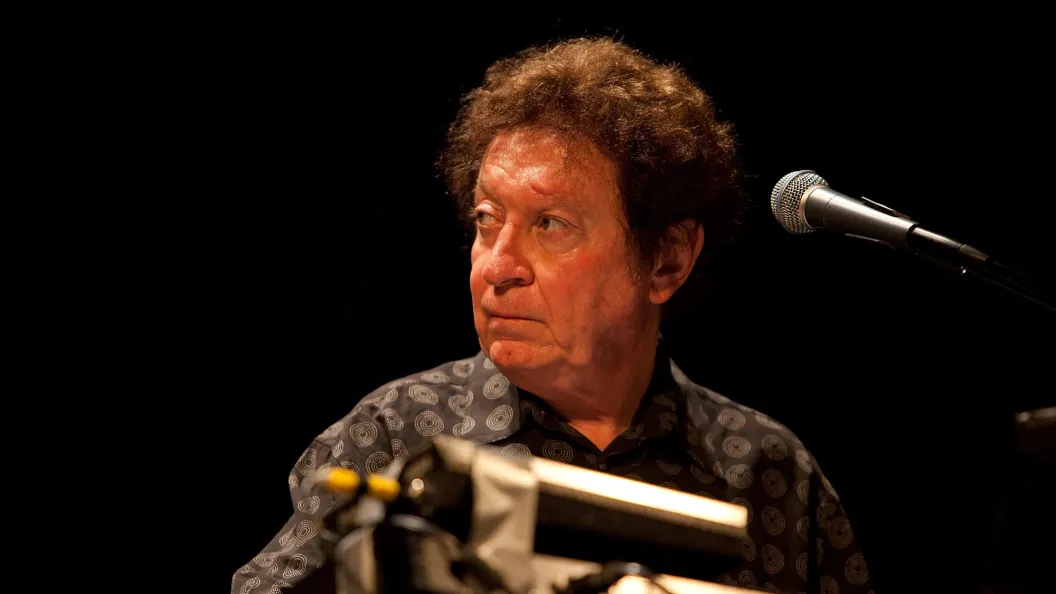
Jerry Corbetta, the band’s lead singer and keyboardist, wrote the song with David Riordan and the album’s co-producer, J.C. Phillips. Corbetta had a girlfriend at the time with green eyes of her own, which provided the main inspiration. But the lyrical portion of the song only told part of the story.
Being “Green”
The music of “Green-Eyed Lady” was built from a scales exercise that Corbetta would do on his organ. That provided the main riff that’s heard throughout the song. Once the band got rolling with the song in the studio, it turned into a thrilling jam of almost seven minutes, highlighted by a wild organ solo from Corbetta.
This was an era when you could get away with longer songs to an extent. Sugarloaf came up with several different edits of the song, pitching each one to a different radio audience. It all paid off, as the song made it to No. 3 on the American charts, an incredible result for a band on their first single.
Sugarloaf went through a bunch of lineup changes in the years to come. Surprisingly, after a long fallow period during which they weren’t much of a factor on the charts, they came back with another Top 10 hit in 1974. On that occasion, the song was “Don’t Call Us, We’ll Call You”, a parody of the music industry.
Behind the Lyrics of “Green-Eyed Lady”
In four verses without a chorus, “Green-Eyed Lady” testifies to the magical powers of the titular female. For example, she effortlessly goes about “Soothing every raging wave that comes.” The poetics coming from Corbetta’s mouth speak to her wondrous qualities: “Green-eyed lady feels life I never see/Setting suns and lonely lovers free.”
As the song progresses, we find out that she “rules the night, the waves, the sand.” And her ethereal qualities don’t prevent her from making an impact on the human beings around her: “Green-eyed lady, ocean lady/Child of nature, friend of man.”
Those dreamy lyrics make much more impact when you hear them set against the thrilling musical interludes. Sugarloaf proved with “Green-Eyed Lady” that you could wax romantic and jam dramatic all at once in a nifty, pop-friendly package.
(Photo by Joey Foley/FilmMagic)
The post How Sugarloaf Carved Their Biggest Hit Out of an Epic Jam Session appeared first on American Songwriter.
Go To Source | Author: Jim Beviglia
3 Rock Songs From the 1970s That Will Get Your Friends Singing »