


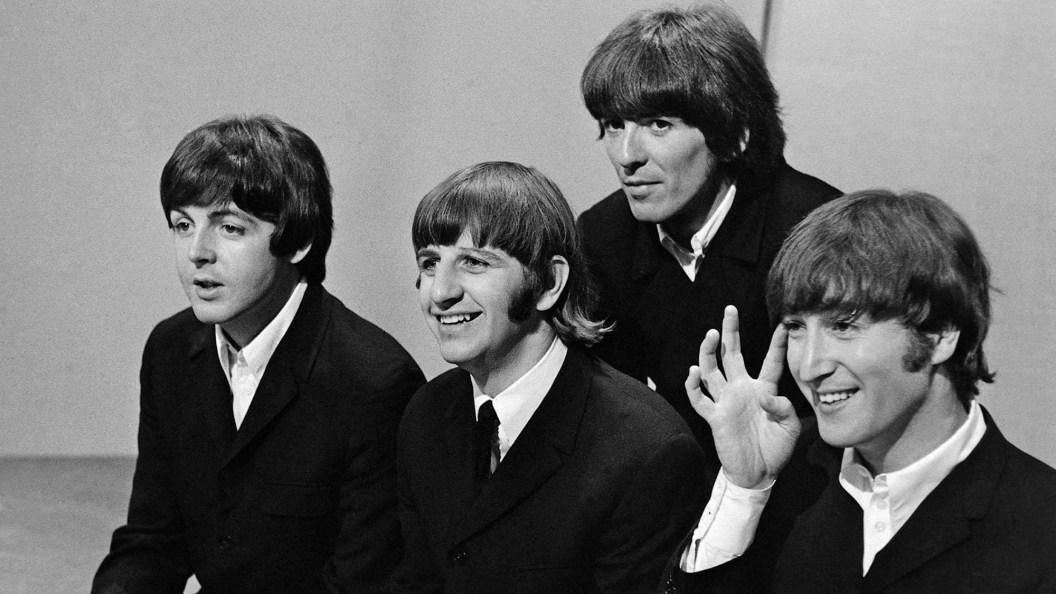
On this day (June 22) in 1966, the Beatles topped the UK Singles Chart with “Paperback Writer.” It gave the band their tenth consecutive No. 1 in their home country. The song stood out from anything else they had ever released in two important ways. First and foremost, it was the loudest song they had ever recorded. It was also the first song from the Fab Four to feature a boosted bassline.
“Paperback Writer” came at a pivotal time for the band. Brian Epstein and George Martin had formulated a release schedule for the Beatles early in their career. They planned to push four singles and two albums each year, believing this would keep public interest in the band alive. At the same time, it would deliver enough new music to keep up with fans’ demands. According to Beatles Bible, this single marked the end of that release plan.
More importantly, it marked a new period for the band. They were less motivated by commercial gains. Instead, they wanted to experiment and expand their musical horizons. The Fab Four wanted to break the mold they’d made for themselves and explore new sounds and topics. “Paperback Writer” was an example of studio experimentation.
The Beatles Got Loud with “Paperback Writer”
Paul McCartney heard a Wilson Pickett record with a prominent bassline and wanted to know why his bass was never mixed at the same level. As a result, engineer Geoff Emerick set out to give McCartney the thumping bass sound he was looking for.
[RELATED: 4 Deep Cut Beatles Songs That Reference Other Beatles Songs]
First, McCartney switched his Hofner bass guitar for a Rickenbacker. Then, Emerick did some studio magic. “We boosted it further by using a loudspeaker as a microphone,” he revealed. “We positioned it directly in front of the bass speaker, and the moving diaphragm of the second speaker made the electric current.
Finally, they used the newly developed Automatic Transient Overload Control when mastering “Paperback Writer.” According to Abbey Road, “This EMI device was used to prevent low-frequency overload when cutting a master disc. As its flashing lights blinked, the ATOC would read and respond to peaks in the audio signal by automatically turning the level down, thereby saving the lacquer master. It allowed mastering engineer Tony Clark to cut the Beatles’ ‘Paperback Writer’ with an extremely high bass factor without causing the needle on a record player to jump.”
The result, said Emerick, was “probably one of the loudest masters EMI had created up to that point.”
Featured Image by Daily Mirror/Mirrorpix via Getty Images
The post On This Day in 1966, The Beatles Hit No. 1 With the Loudest Song They’d Ever Recorded appeared first on American Songwriter.
Author: Clayton Edwards
« 3 Rock Bands From the 1960s Who Had One Pop Crossover and Never Looked Back
Jelly Roll’s Daughter’s Mother Pleads Guilty in Drug Case: REPORT »