


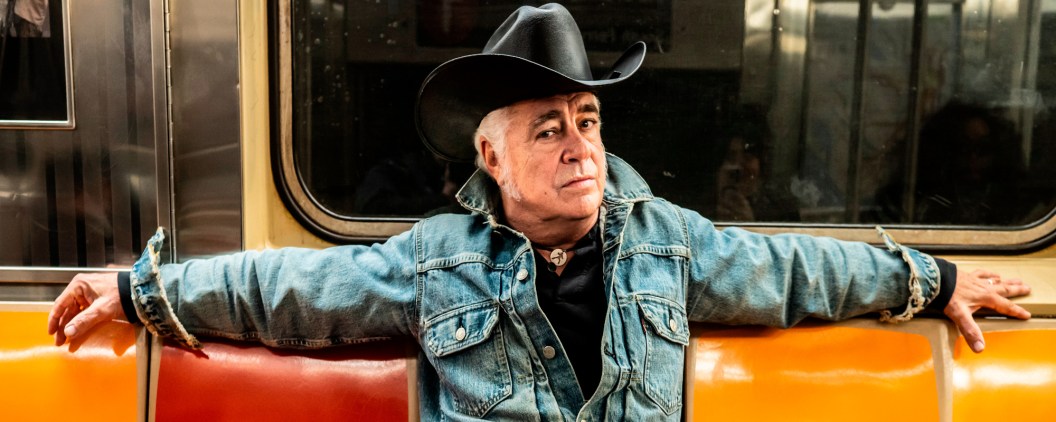
Sporting a pompadoured mane of silver hair, a pair of killer sideburns, and a steely gaze, outlaw country icon Dale Watson often looks like he belongs on an old-West wanted poster. But with a rough-hewn sound long considered “dead” by the mainstream, he never felt much wanted at all—and never much cared.
As a true honky tonk hero and godfather of grit, Watson’s been making music on his own terms for over 40 years, and never once bowed to the pressures of trend. After leaving Nashville behind in the early ‘90s, the Cadillac-driving singer-songwriter has become the ferocious defender of a sound he dubbed “Ameripolitan,” blazing trails for the outlaws of today to follow. And with his new album Unwanted, Watson celebrates his continuing act of creative defiance.
I been on my own since I was 14 years old / Wish I knew then what I know now,” he bellows in the first line of the defiant title track. But after all is said and done, I can’t blame anyone / I’m livin’ the life I choose.
Full of hard knocks and hustle, that life is one of country’s ultimate independent success stories. Watson indeed got his start as a teenager, playing his first gig as a 14-year-old Texan, but the story goes back further. Speaking with American Songwriterafter taping an episode of his weekly radio show—The Dale Watson Show—airing each Sunday on KRXT 98.5 FM in Taylor, Texas, he says it all started with a family band formed by his dad and brothers. Watson was too young to join, so he picked up a guitar and started writing his own tunes instead. Back then, classic country, rockabilly, and Western swing were everywhere. The more things change, the more they stay the same.
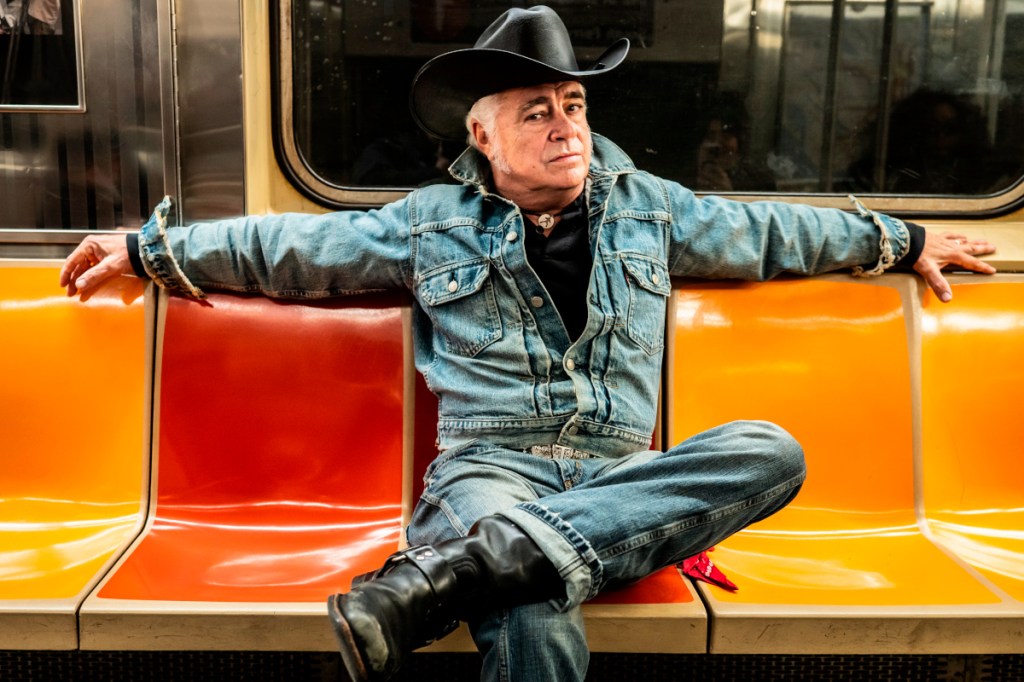
“It was all around me—even in high school I was hanging out in honky tonks,” he says. “I mean, the first song I wrote was about a girlfriend that lived next door. Ain’t much different now.”
Besides hardcore twang, there was one other thing that grabbed Watson’s attention: The allure of the road. A lifelong gear head in love with the steel horse, he’d originally planned to become a motorcycle mechanic. He even went to school to learn the trade. But Watson laughs now as he thinks about himself in a garage. “I wouldn’t say I was very good at it,” he says.
Instead, the road itself became a muse. Long before Patreon or social media, it became the source of his success.
After a short (exasperating) stint in Music City, Watson relocated to Austin, Texas, and released the seminal Cheatin’ Heart Attack in 1995. By then he’d put together a scrappy band of fellow vintage-country connoisseurs called The Lone Stars, and though they were unwanted on Music Row—it was the height of pop-country’s Garth and Shania era—Watson found his own means to excel.
[RELATED: Dale Watson Announces New Album, Song Paying Tribute to Country Music Greats]
Touring non-stop in honky tonks, clubs, theaters and more, Watson built a reputation as a fiery performer with an affinity for truck-driving anthems, whiskey serenades, and general outlaw badassery. Now 63 years old, he still plays over 300 dates each year, and never uses a set list. He and the band simply play what they like in a practice-what-you-preach display of everyman moxy, while fans holler out requests. Working like that, Watson’s reputation for authenticity set him apart. He even built a fan base in Europe, where old traditions still have some sway.
Meanwhile, Watson released dozens of gritty, self-written and self-produced albums, suffered family tragedy, and set up a beloved residency at Austin’s iconic Continental Club, where he still frequents today. He branched out on film and took up acting in Ghost Brothers of Darkland County (a musical by John Mellencamp, Stephen King, and T. Bone Burnett), opened his own honky tonk and recording studio (both in Memphis), and cemented his place as “the hardest working real country musician” on the planet.
In fact, Watson is one of the only artists in history to found his own awards show, after creating the Ameripolitan Music Awards in 2014. Still frustrated by mainstream country’s lack of interest in tradition (and a bit pissed off by Blake Shelton’s dismissal of its fans as “old farts” and “jackasses”), Watson created the fan-voted show to honor artists keeping Western swing, rockabilly, and outlaw country alive. It hit a high water mark at Austin’s massive ACL Moody Theater in 2025, as Watson turned his attention to helping new artists follow his lead.
“We want to give acknowledgement to up-and-coming acts—touring acts that are doing this,” he says. “Because it’s a grind to do stuff below the mainstream.”
But with Unwanted, Watson makes the grind sound downright romantic. With a burly Texas vocal joined by woozy electric twang, swooning steel guitars and fiddle—plus a tractor-trailer load of independent attitude—he’s still championing his DIY approach. Watson’s against-the-grain spirit remains undaunted, and undiminished. Even if he had a little support.
Twelve authentic-roots songs were once again written and produced entirely by the throwback legend. But after years of self-releasing his albums, Watson teamed up with 40 Below for Unwanted. Don’t worry, the deal came with guardrails.
“I haven’t had a record label get behind me in a long, long time,” Watson says. “The difference is finding one that would respect my boundaries. Seems like anything that’s Nashville-based, I always have a problem with.”
Knowing his fans come for the full Ameripolitan experience, Watson delivers the goods. Focused on the honky tonk and outlaw parts of the discipline, he’s unapologetic in wishing the old-days weren’t so far away. But even if the sound was perfected long ago, that doesn’t mean it’s stale. Throughout, Unwanted highlights the rejuvenating impact of true love—especially in tribute to Watson’s wife, Celine Lee, who joins as a guest vocalist. And many of the songs are a dictionary definition of “fresh.”
That’s because over the years, Watson developed a habit of writing songs onstage, during his shows. When you play live as much as him, you can get that comfortable. The mood has to be just right, he says, but sometimes those improvised tunes turn out to be keepers—like the project’s lead single, “Willie Waylon and Whiskey.” It’s a tribute to triple icons of the outlaw Mount Rushmore.
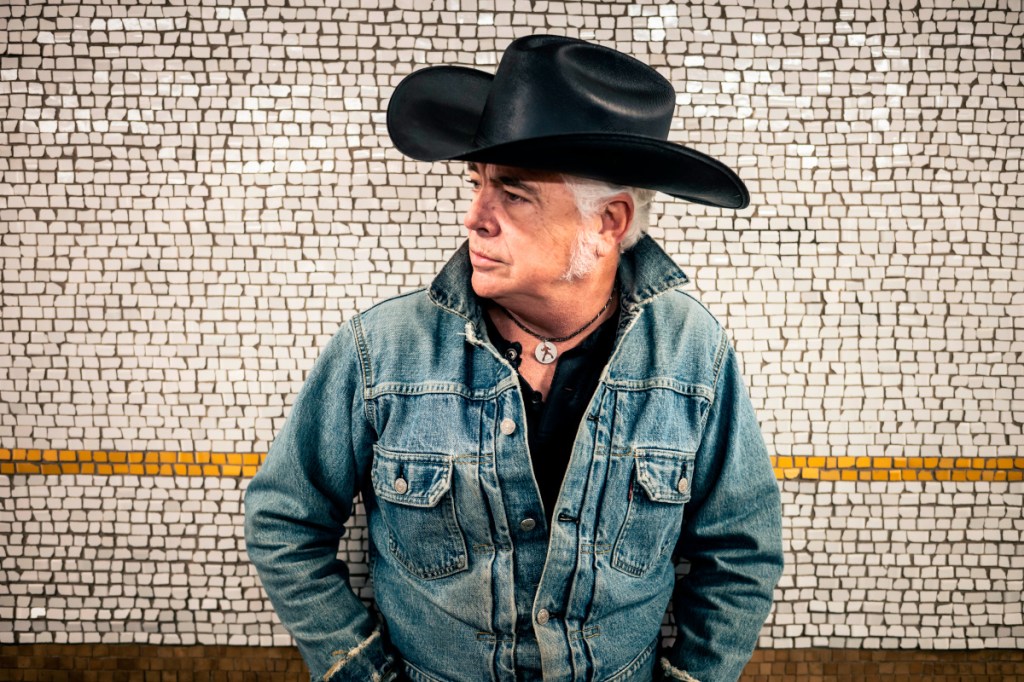
Written on the fly during a gig in San Antonio, Watson explains it was born when a “real big fella” put himself in front of the eight-inch tall honky-tonk stage, making it hard to see the dance floor—or even hear people’s requests. Eventually Watson addressed it.
“He was wearing a T-shirt that said ‘Willie Waylon and Whiskey,’” Watson recounts. “So I finally had to ask him, ‘Hey hoss, is that a song?’ He goes, ‘No, I just saw it at Walmart and I liked it.’
“I said ‘I like it, too, let’s write a song about that,’ and by the second time we did the chorus, everybody was singing it,” he goes on. “So I thought, ‘Well, I think this might be a keeper.’”
That experience speaks to the way Watson views music. It’s made for the stage, and made for the moment, not for overthinking. To him, country music is for people to dance to, and he wrote “Don’t Let the Honky Tonks Go” with that in mind. A bright, uptempo call to keep gliding across the floor—and keep tipping the band—it came together during his first show back from an agonizing pandemic break.
The other songs on Unwanted were written more traditionally, but they continue to capture Watson’s love of the Ameripolitan scene. In the swinging “Never Mend the Broken Spoke,” for example, he honors the no-frills dancehall which is part of Austin legend. He still performs there each month.
Elsewhere, “What the Hell Happened to the Cadillac” feels like a growling honky-tonk sermon, lashing out at the cult of “progress.” Watson owns and still drives a big-old ‘66 Caddy with a big bench seat up front. Those are long gone, and he thinks they took something with them.
“I had an epiphany,” Watson says. “I realized that ever since bucket seats came along, it separated people. Separated husbands and wives and kids and parents. You aren’t able to put your arms around each other, and it makes a difference. It’s just another connection we’re missing.”
Swirling in playful stone-country romance, he dedicates “Better Try Harder” to his wife—who he met in New York City, playing “hard to get”—and they serenade each other in the smitten “You’ve Got My Heart.” But at this point, the passing of time is ever on his mind. The veteran road dog is thinking about what comes next.
Syrupy ballads like “If You Really Love Me (Outlive Me)” feature delicate, saloon-style piano lines and earnest lyrics, while the heartfelt “If I Can” stands out as a crooning instant classic. With a steady snare-rim click and Watson’s resolute vocal at its most tender, he delivers a straight-talking reminder that he won’t be around forever—only his love will last.
“My wife is a lot younger than me, and I said, ‘You got to be prepared for this at some point.’ She don’t want to talk about it,” Watson says. “That’s why I wrote it. Just so it’s in her head, because yeah, I think about it. I still get choked up, especially if Celine’s onstage with me.”
Looking ahead, Watson fully intends to keep making old-school country music, and stay onstage ‘til the end. That’s where he’s always wanted to be, and as for the mainstream, he quit caring long ago.
Asked if it matters whether or not country music “wants him”—or even if it claims him after he’s gone—Watson’s answer is simple. And it comes with that honest laugh only outlaws know.
“Not really,” he says.
The post Outlaw Country Icon Dale Watson Returns With a New Album, and the Same Unapologetic Spirit appeared first on American Songwriter.
Author: Chris Parton