


When you’re a famous artist, you have clout to make things happen in a way that other musicians might not. Using that clout to help out another artist who meant a lot to you can be a wonderful way of paying it back.
Bruce Springsteen did just that for an R&B legend who inspired The Boss’ sound. And it resulted in a major comeback for this artist after two decades out of the spotlight.
Bonds’ Heyday
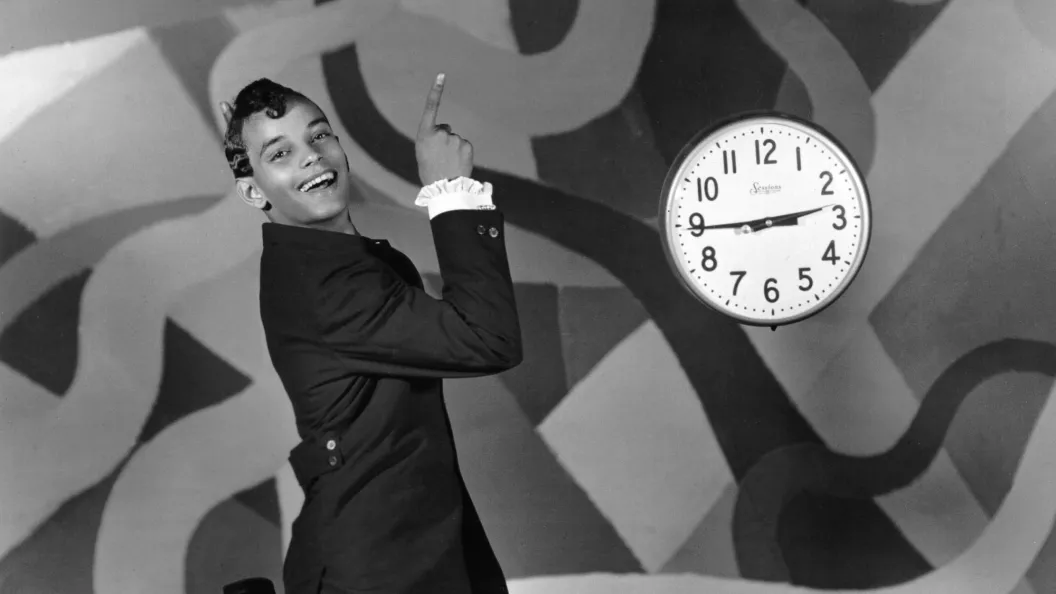
Pop radio in the early 60s, a time when many of the first wave of rock stars were off the scene for a variety of reasons, opened the door to some talented R&B artists. Gary U.S. Bonds was one of the most successful in that wave.
Bonds offered a good-time vibe that appealed to kids of that era gathered together in front of jukeboxes. He churned out five Top 10 hits in the years 1960 to 1962. But once rock music surged again in the next few years, Bonds struggled to make much headway on the charts. He mostly became a live performer for the next few decades, putting his recording career on hiatus.
He earned one extremely famous fan in Bruce Springsteen. Elements of Bonds’ effervescent sound began to filter into the E Street Band’s approach around the time of The River album in 1980. And Springsteen, when given the opportunity to help Bonds resurrect his recording career, didn’t hesitate.
Fan Service
Bonds, meanwhile, didn’t really have much knowledge of Springsteen’s rising superstardom when he met him for the first time. But he did know Steven Van Zandt, Springsteen’s collaborator in the E Street Band.
Van Zandt had met Bonds in the early 70s out on the oldies circuit when Little Steven was playing guitar with the Dovells. Meanwhile, Springsteen had long been playing Bonds’ songs on tour. In fact, he often closed out shows with an elongated rendition of “Quarter To Three”, Bonds’ lone US No. 1 single from 1961.
While on a break from touring in 1980, Steven Van Zandt and Bruce Springsteen took the initiative and assisted Bonds out on a new album. Van Zandt was involved as a producer, wrote a song for the record, and also helped Bonds choose some of the cover versions he was going to do. Springsteen offered three songs of his own, lent the services of the E Street Band, and even duetted with Bonds on a version of the traditional “Jole Blon”.
A “Little” Help
Bonds’ album, Dedication, arrived in stores in April 1981. For the lead single, he chose “This Little Girl”, one of the Springsteen-penned numbers. Those who know Springsteen’s deep back catalog will recognize the rhythmic thrust of “This Little Girl” in “Ain’t Good Enough For You”, a song The Boss recorded during the sessions of Darkness On The Edge Of Town but didn’t initially use.
There’s no doubt that the press surrounding Springsteen’s involvement helped “This Little Girl” at radio. Beyond that, it’s an undeniably catchy piece of retro R&B. And Bonds’ potent vocals sounded undiminished compared to his early 60s heyday.
After a 19-year absence, Bonds returned to the pop charts with “This Little Girl” when the song peaked at No. 11. Springsteen helped him out again a year later, writing “Out Of Work”, which also hit the Top 40.
(Photo by Michael Ochs Archives/Getty Images)
The post Remembering When Bruce Springsteen Helped Revive the Career of an R&B Legend in 1981 appeared first on American Songwriter.
Go To Source | Author: Jim Beviglia
3 One-Hit Wonders From 1971 That We Hear All the Time in Shopping Malls and Grocery Stores »