


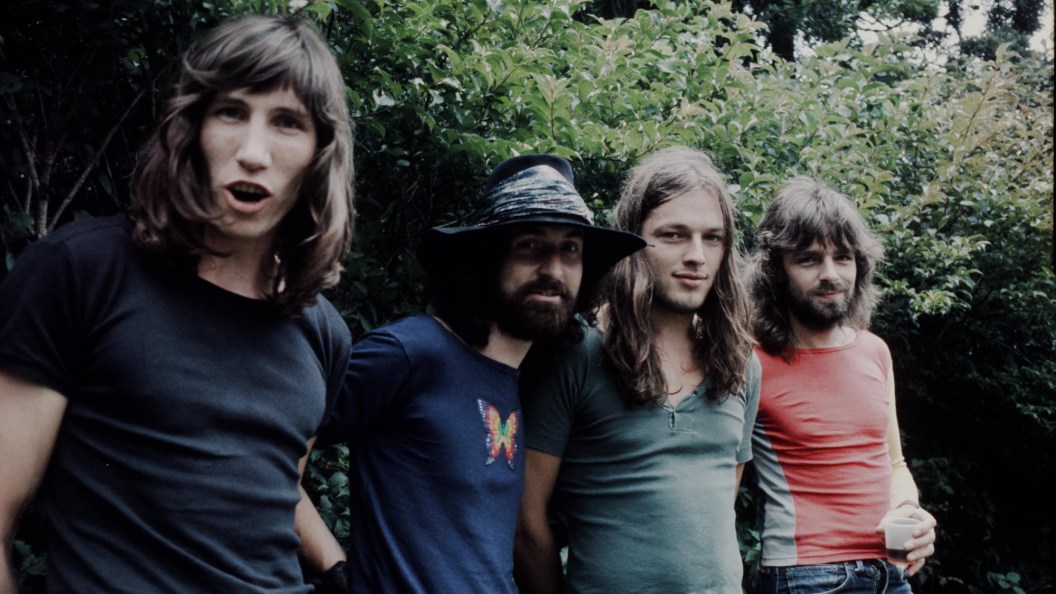
Symphonic rock stood out as one of the many subgenres of music fighting for supremacy at the start of the 70s. Bands like The Moody Blues and ELO led the British contingent of acts mixing classical flourishes with more traditional rock song structures. Pink Floyd leapt into that brave new world in 1970. They did so on an album that doesn’t often get mentioned as being one of their best. Perhaps that’s because the band pretty much took a back seat to the orchestral touches.
In Search of Inspiration
One of the most fascinating eras in the history of Pink Floyd was the time between Syd Barrett’s ouster from the band in late 1967 and their emergence as rock superstars with The Dark Side Of The Moon in 1973. Floyd spent that time casting about somewhat listlessly in search of direction.
That era preceded the stretch where Roger Waters took over as chief lyricist and originator of the concepts tied to their LPs. Floyd got heavily involved in making music for movie soundtracks in the late 60s. Perhaps they chose that route because they didn’t have to worry about coming up with words.
As the 70s dawned, they still didn’t have any clearer idea of what they should be doing on record. Yet their live performances continued to mesmerize audiences. One day in the studio, David Gilmour came up with some chord changes that sounded, to Roger Waters, like the theme for a hero in a Western movie. The band decided to move forward with it as the basis for their next studio album.
A Long Song
Spurred on by this main theme, the band started adding bits and pieces to it. Some of these sections stayed tied to the main motif. Others sprawled in different directions before returning home. By the end of it, Floyd had concocted a piece of music 24 minutes in length, good enough to take up a whole side of an album.
There were no lyrics involved. And the band didn’t really know what to do with the piece as it was, since it was mostly a rhythmic bed without much melody. It was at this point that they invited Ron Geesin, a composer friend of the band, into the picture.
Since Floyd had to skedaddle to America for touring commitments, they gave Geesin free rein to do whatever he thought needed to spice up the elongated song. Geesin brought the EMI Pops Orchestra and the John Allidis Choir aboard. These players began working in and around the existing bed of music the band had already provided.
Dissecting the ‘Atom’
Pink Floyd decided to have the instrumental take up the entire first side of their new album. More traditional-length individual songs took up the second side. Needing a title at the last moment before the piece could be played for the first time on the radio, Waters came up with Atom Heart Mother. He based it on a newspaper article about how a woman about to give birth survived via a pacemaker fueled by atomic power.
The members of the band had mostly taken a hands-off approach to what Geesin was doing with the overlapping score. Perhaps they should have been more active. Years after the fact, neither David Gilmour nor Roger Waters had much good to say about the album. They blamed their own lack of direction at the time rather than Geesin’s contributions.
If nothing else, Atom Heart Mother did attest to the feasibility of longer pieces of music from the band. A track called “Echoes” from their 1971 album Meddle would build on the idea and help Pink Floyd reach a new level of artistry.
(Photo by Koh Hasebe/Shinko Music/Getty Images)
The post Remembering When Pink Floyd Went Orchestral for an Entire Album Side in 1970 appeared first on American Songwriter.
Go To Source | Author: Jim Beviglia
3 One-Hit Wonders From the 1970s That Are So Underrated, It’s Practically Criminal »