


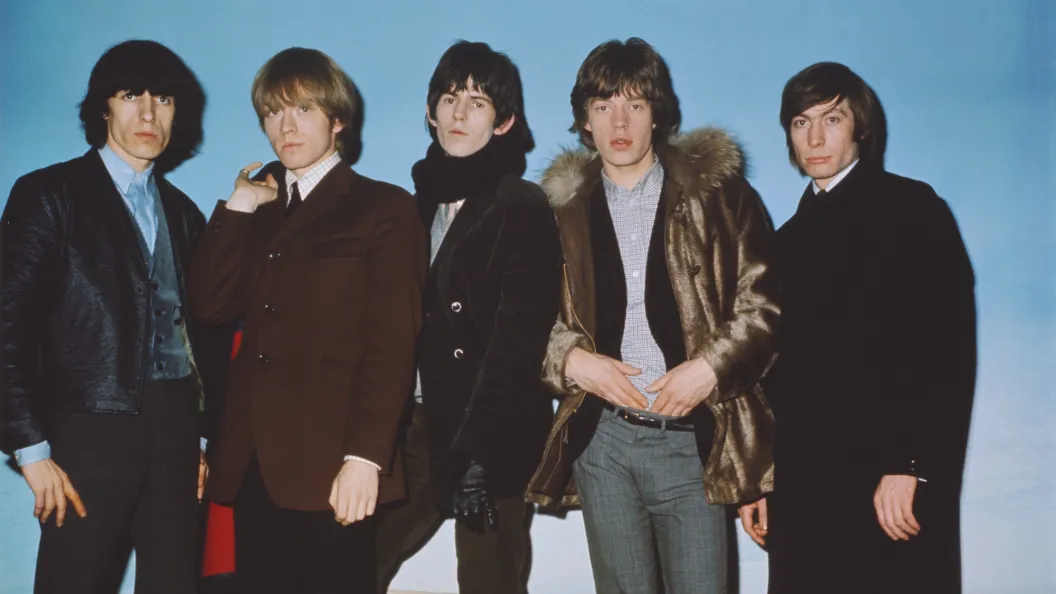
The 1960s saw a wide range of rock history. Indeed, the sounds from the beginning of the decade bore little resemblance to those at the end. Even within individual bands, the sound varied widely. This decade transformed rock music, reaching several major milestones in a short time. 1966 saw a severe 180 as rock left its simple, sweet roots behind in favor of the volatile, amped-up energy the genre would become famous for. That year’s best-selling song, “Paint It, Black”, courtesy of The Rolling Stones, signals that turning point.
How The Best-Selling Song of 1966 Proved That Rock Was Ready To Make a Change
The Rolling Stones can be seen as the ushers for rock’s darker side. They helped move away from the relatively simple, tender songs of The Beatles’ early years toward something far more fitting for the times by the mid-1960s. When the Summer of Love came around, they effectively squashed it, reminding listeners of rock’s edginess. In 1966, specifically, this band proved rock was ready for change with one of the year’s best-selling songs.
“I see a red door / And I want it painted black / No colors anymore / I want them to turn black / I see the girls walk by / Dressed in their summer clothes / I have to turn my head / Until my darkness goes,” the lyrics to “Paint It, Black” read. This song came at precisely the right time. The rock listening world was ready to turn up the heat, and this mournful hit was just the ticket. Moreover, the instrumentation of this song was a departure from the typical sounds of rock, bringing in a sitar for some depth.
The Dark Story of “Paint It, Black”
“It’s been done before,” Mick Jagger once said when asked why he wrote a song about death. “It’s not an original thought by any means. It all depends on how you do it.”
The band covered this topic brilliantly, creating an angle that really appealed to listeners. Rock fans were floored by the track’s dark, twisted energy. It did what rock music is supposed to do: energize, lean towards taboo, and give us license to explore the darker sides of life.
The rest of rock music would follow suit once The Rolling Stones earned this massive hit. From the mid-1960s on, rock music dropped many of its niceties. From psychedelia to other 1960s sub-genres, rock embraced a full-scale revamp, fuelled in part by this stellar Stones song. Revisit it above.
Photo by Mark Hayward Archive/Redferns
The post How One of the Best-Selling Songs of 1966 Proved That Rock Was Ready to Make a Change appeared first on American Songwriter.
Go To Source | Author: Alex Hopper
3 Country Songs From 1984 That Brought Old-School Heartache Into the MTV Age »