


Those who were around to see flower power rise to the forefront of the cultural zeitgeist know that this was more than an aesthetic—it was a political movement advocating for nonviolence, spiritual exploration through psychedelics, and radical acceptance. Songs like these, all of which came out around this time, reflected these socioeconomic concepts, defining the feeling and ethos of the late 1960s.
Decades later, listening to them is like stepping into a time machine that’s set for 1967.
“San Francisco (Be Sure To Wear Flowers In Your Hair)” by Scott McKenzie
The late 1960s saw a mass pilgrimage of flower power followers to San Francisco, and songs like Scott McKenzie’s “San Francisco (Be Sure To Wear Flowers In Your Hair)” were the beckoning call for these West Coast-bound travelers. The song, written by John Phillips of The Mamas & The Papas, paints an appealing portrait of the Golden Gate City, where you were bound to “meet some gentle people there.”
“Next Plane To London” by The Rose Garden
A true flower power track in both time and name, “Next Plane To London” burst onto the scene in 1967 as the debut single of folk-rockers The Rose Garden. The track broke into the Top 20, but the band was never able to recreate that success, earning themselves a one-hit wonder distinction. Still, the fact that their greatest influence remains tied to the late 1960s makes this all the more effective of a time machine.
“Incense & Peppermints” by Strawberry Alarm Clock
The flower power movement encouraged spiritual and mental experimentation and exploration with the use of psychedelics. These mind-altering drugs brought new meaning to music, whether intentional by the artist or not. Take, for example, a song like Strawberry Alarm Clock’s “Incense & Peppermints”. Literally written with a rhyming dictionary nearby, this didn’t stop the masses from gleaning new meaning from the nonsensical lyrics.
“White Rabbit” by Jefferson Airplane
No discussion of the flower power movement of the 1960s would be complete without mention of Jefferson Airplane. Songs like “White Rabbit” emphasized the zeitgeist’s turn to mind-altering substances while also offering a warning about the potential consequences of overindulging—or, conversely, abstaining to a fault. When vocalist Grace Slick belted out “feed your head,” she was encouraging listeners to stay educated and enlightened.
“Happy Together” by The Turtles
The Turtles’ “Happy Together” first came out in January 1967, which gave the track plenty of time to pick up steam ahead of the upcoming Summer of Love. The minor chord structure in the verses gives the song a mysterious, almost dark feel. When the chorus finally explodes into a major chord, the result is all the more climactic. Even if the song is technically about unrequited love, the overwhelming emotion of the track feels positive.
“Woodstock” by Crosby, Stills, Nash & Young
Finally, we’ll close out this list of flower power songs that will transport listeners back to the late 1960s with a song that requires an asterisk. Crosby, Stills, Nash & Young technically released “Woodstock” in 1970, but Joni Mitchell wrote the song about the titular event the previous year. With its flowery descriptions of the trek to Yasgur’s farm in upstate New York, it’s hard not to feel like you’re there, too, watching “bombers riding shotgun through the sky” that were “turning into butterflies.”
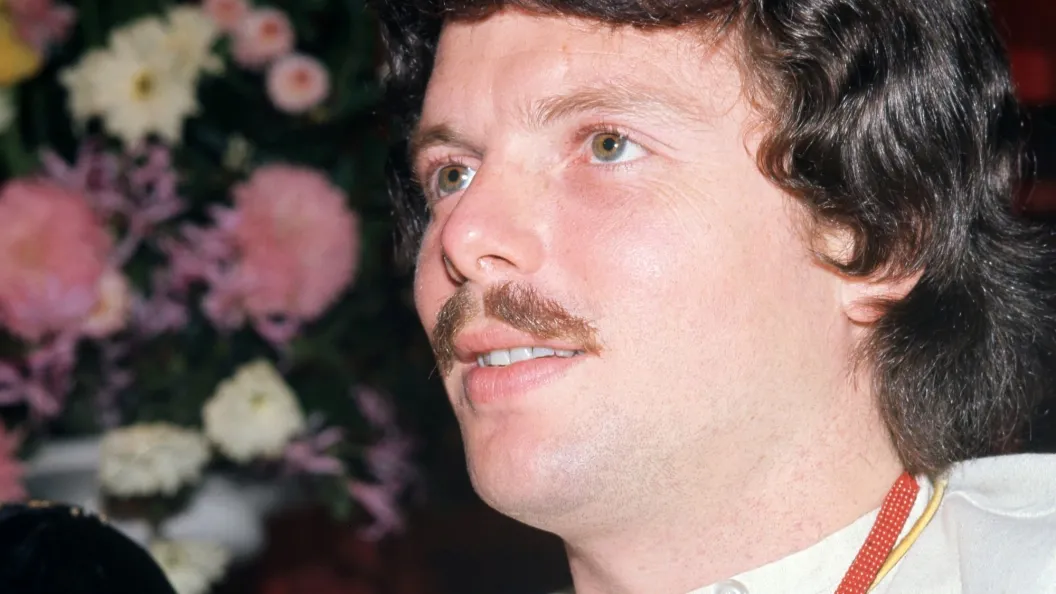
Photo by Jeff Hochberg/Getty Images
The post 6 Flower Power Songs That Will Transport You Back to the Late 1960s appeared first on American Songwriter.
Go To Source | Author: Melanie Davis
« Tom Jones Didn’t Have the Heart to Ask for a Songwriting Credit on This Hit Single From 1994
Ella Langley Makes Little Girl’s Day By Inviting Her On Stage to Sing “Butterfly Season” »