


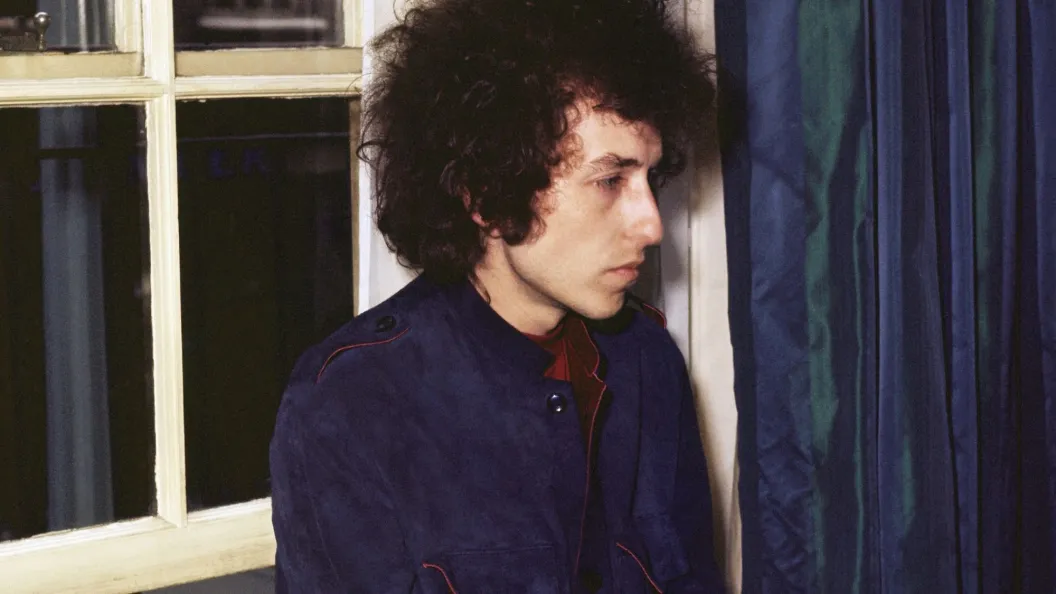
Of all the singer-songwriters who have achieved folk legend status, Bob Dylan seems to be among the most self-assured. But for one brief moment in the early 1960s, the rising Greenwich Village folk scene icon was debating quitting the business altogether. Maybe music wasn’t for him. Maybe he was destined to be Robert Zimmerman forever, not an internationally acclaimed singer-songwriter.
It was around this professional moment of crisis that Dylan was sitting on a ten-page-long poem. He later described it as “a rhythm thing on paper, all about my steady hatred directed at some point that was honest. It was telling someone they didn’t know, telling them they were lucky. Revenge, that’s a better word. I had never thought of it as a son, until one day I was at the piano, and on the paper it was singing, ‘How does it feel?’ in a slow-motion pace. It was like swimming in lava.”
One mention of that iconic line and most Bob Dylan fans will recognize that this ten-page-long poem of “steady hatred” eventually evolved into “Like A Rolling Stone”, Dylan’s career-defining track from his 1965 album, Highway 61 Revisited.
“Like A Rolling Stone” Saved Bob Dylan From Quitting Music
Bob Dylan has always been an elusive pop culture figure. But in the early 1960s, he was slowly drawing back from an even smaller spotlight. He hadn’t yet hit his decades’ worth of fame and legacy. Had he followed through with his intentions of quitting the music industry, we might remember him as one of many singer-songwriters who faded into obscurity before the decade of their come-up was through. Speaking to Playboy in 1966, Dylan said “Like A Rolling Stone” saved him from such a fate.
“Last spring, I guess I was going to quit singing,” he admitted. “I was very drained. And the way things were going, it was a very draggy situation. I mean, when you do ‘Everybody Loves You For Your Black Eye’, and meanwhile, the back of your head is caving in. Anyway, I was playing a lot of songs I didn’t want to play. I was singing words I didn’t really want to sing. But ‘Like A Rolling Stone’ changed it all. I didn’t care anymore after that about writing books or poems or whatever. I mean, it was something that I myself could dig. It’s very tiring having other people tell you how much they dig you if you yourself don’t dig you. It’s also very deadly entertainment-wise.”
Indeed, “Like A Rolling Stone” really did change it all—the folk-rock sound, the minds of the masses in 1965 and beyond, Dylan himself. It was a pivotal moment in both the broader scope of pop culture and in the singer-songwriter’s career, as everyone reconciled with that one iconic question: how does it feel?
Photo by Cyrus Andrews/Michael Ochs Archives/Getty Images
The post The 10-Page-Long Song Full of “Steady Hatred” That Prevented Bob Dylan From Quitting Singing Like He Intended appeared first on American Songwriter.
Go To Source | Author: Melanie Davis
« 3 One-Hit Wonders From 1974 With Melodies That Still Echo Decades Later
A Movie Character and Depeche Mode Surprisingly Inspired This ZZ Top Classic »