


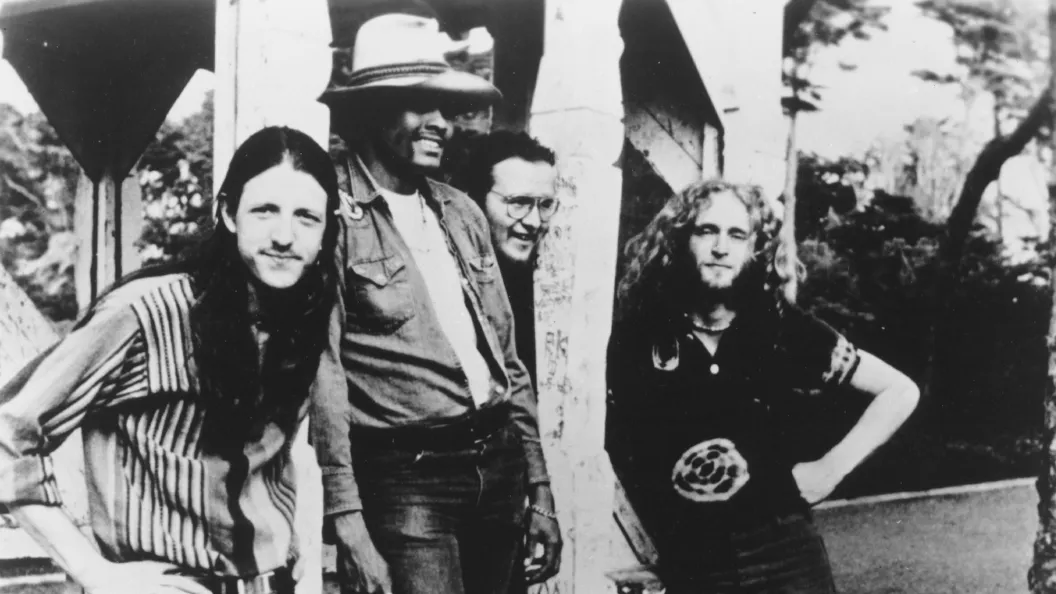
Artists only have so much control over which song of theirs will first connect with a large audience. They can plan and scheme for it while writing and creating material. But the public ultimately decides which song will be the breakthrough.
The Doobie Brothers were fortunate when it came to their first Top 40 hit. Not only did the song represent what they did best, but it also threw good vibes into the world that still resonate every time the track plays.
Second Chance for a First Impression
Unlike other rock bands who would go on to have monumental careers, The Doobie Brothers didn’t grow up together or even play together for a particularly long time before they started recording. Drummer John Hartman met guitarist Tom Johnston on the West Coast right at the start of the 70s. That duo soon joined up with a couple of other musicians to form the group.
While there’s debate about where the famous band name originated, what’s certain is that the group nabbed a major-label deal and released their debut album hardly a year after forming. But that self-titled debut, which arrived in 1971, didn’t make many waves with the buying public.
Luckily, this was an era when bands weren’t judged harshly if they didn’t score immediately. The Doobies got another chance. By the time they headed to the studio for their second LP, they had added a second drummer and changed bassists. These alterations were critical to defining their future sound.
The “Music” Men
Tom Johnston, who did the bulk of the writing on the early Doobie Brothers’ records, was still a student at San Diego State University while working on material for Toulouse Street, the band’s 1972 sophomore album. As he liked to do, he sat playing his acoustic guitar one night when a chord sequence grabbed him.
The chords seemed to have a positivity to them that steered the direction of the lyrics. As a college student, Johnston was privy to philosophical teachings and forward-thinking lectures that influenced the tone. What if, the words pondered, the world’s problems could be solved by people settling their differences over a music-listening assembly?
Excited by the song he was writing, Johnston called The Doobie Brothers’ producer Ted Templeman in the wee hours to play it to him. Templeman groggily replied that there was promise there. But he’d have a more formed opinion in normal waking hours. The song that Johnston composed turned out to be “Listen To The Music”.
A Resonant Hit
Once Johnston brought it to the band, they were able to add their special chemistry. The dual drummers (John Hartman and Michael Hossack) combined with bassist Tiran Porter to give the song an undeniable rhythmic punch. Patrick Simmons added some banjo as a surprise element. A flanging effect tacked on to the second half of the song lent some psychedelia to the proceedings.
“Listen To The Music” is the kind of song that jumps out as a hit from the first time you hear it. The public certainly concurred with that assumption, helping it reach 11 on the US pop charts. In the years since, it has rightfully earned its place as one of the signature songs of The Doobie Brothers, the rare breakthrough song that both fit and stuck.
(Photo by Michael Ochs Archives/Getty Images)
The post The Doobie Brothers’ First Top 40 Hit Proved Its Own Thesis About the Power of Music appeared first on American Songwriter.
Go To Source | Author: Jim Beviglia
Two Devastating Losses Inspired Stevie Nicks To Write This Early Hit »