


The powers that be in America thought these three classic songs were corruptive. Radio stations banned these songs in the U.S., making them hard to get hold of for a while. Nevertheless, these songs eventually earned their flowers. The initial backlash certainly isn’t reflective of their endurance as classics.
“Louie Louie” — The Kingsmen
When we listen to this Kingsmen song today, we’re struck by how juvenile it sounds. There’s no denying it’s a hit through and through, but nothing about it screams crass or vulgar by modern standards. That was not the case, however, shortly after its release. Several states around the U.S. took to lightly banning this song from radio play and pulling it from playlists because of the innuendo throughout.
Concerned parties thought the slurred lyricism was too suggestive and made the listener think thoughts they ought not to. The issue reached the FBI, which investigated it for a potential ban shortly after it was released. Despite the initial censorship, this song has remained a hallmark of the 1960s.
“The Pill” – Loretta Lynn
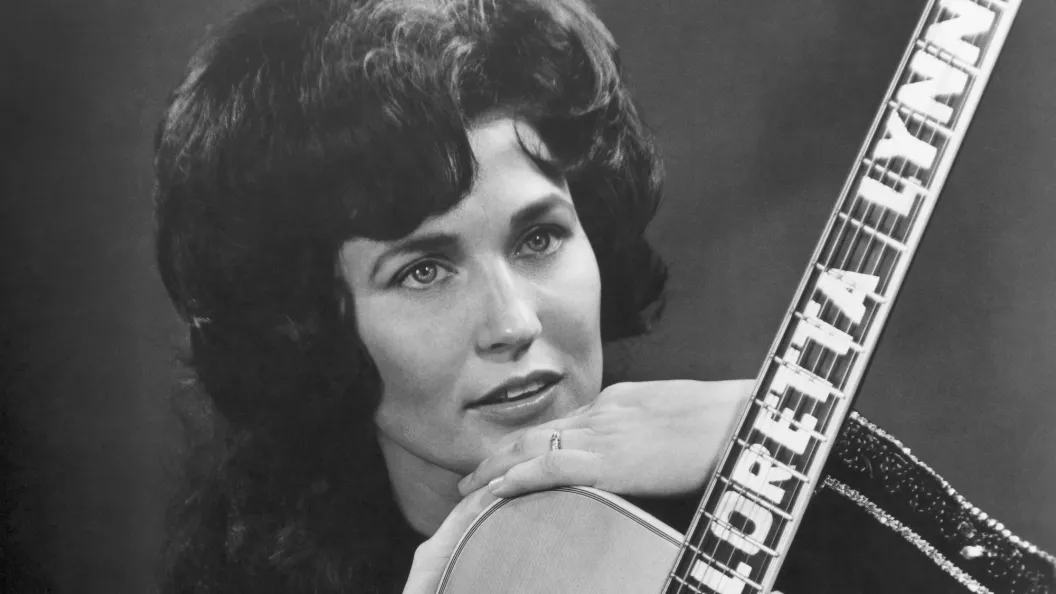
One of Loretta Lynn’s signature songs, “The Pill”, was also banned by radio stations for references to sex. While advocating for birth control, naysayers thought Lynn was promoting promiscuity. It cost her some play on several country stations, which weren’t quite down with that message in the 1970s.
[RELATED: 3 of Conway Twitty’s Best Duets That Weren’t With Loretta Lynn]
“You wined me and dined me when I was your girl / Promised if I’d be your wife, you’d show me the world / But all I’ve seen of this old world is a bed and a doctor bill / I’m tearing down your brooder house ’cause now I’ve got the pill,” the lyrics read. Though this is tame by today’s standards, this song caused quite the stir in its day.
“Strange Fruit” – Billie Holiday
Billie Holiday’s “Strange Fruit” is a morose song that takes an unflinching look at the brutalization of Black Americans. Because of its subject matter, some thought the song was too heavy for everyday ears and/or became a victim of racism. While the ban wasn’t enacted as federal law, many radio stations took it off the airwaves. Moreover, the government targeted Holiday for daring to release such a powerful and sobering statement. Narcotics Commissioner Harry Anslinger severely harassed Holiday, affecting her career greatly because of this short but salient track.
“Southern trees bear a strange fruit / Blood on the leaves and blood at the root,” the lyrics read. Seldom has a song been as hard to hear as this one. Holiday’s singular voice brings home the importance of this message.
(Photo by Michael Ochs Archives/Getty Images)
The post 3 Classic Songs That Censorship Tried To Erase in the U.S. appeared first on American Songwriter.
Author: Alex Hopper
« 3 Rock Songs From the 1980s That Will Actually Make You Smarter
3 Country Songs From 1986 That Every 80s Kid Still Knows Today »