


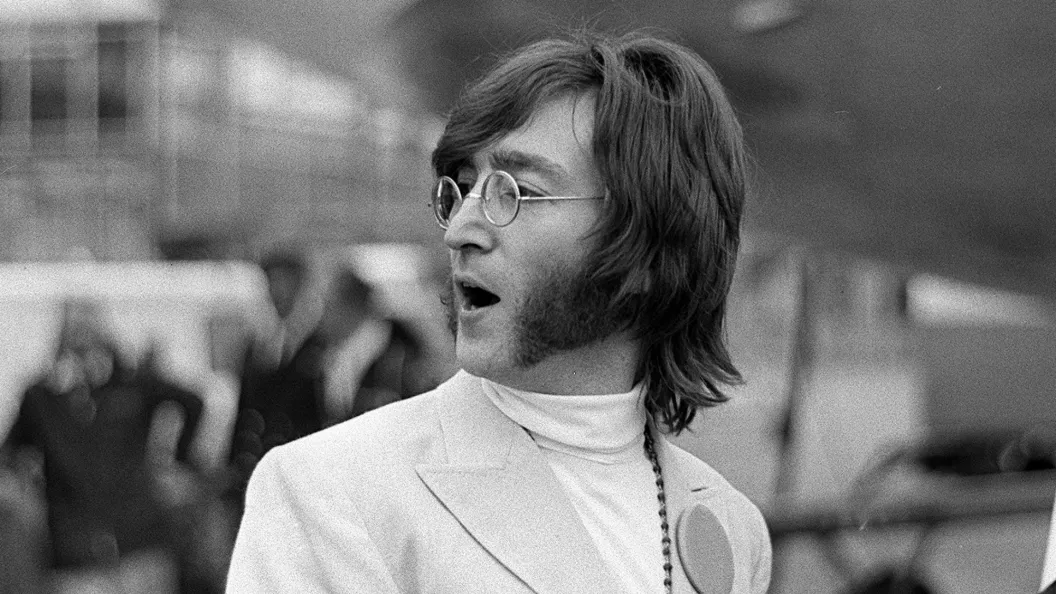
The social hierarchy of The Beatles formed as most groups do: the oldest is the leader. As the oldest founding member of The Beatles (save the drummer) and the one who recruited Paul McCartney, who then recruited George Harrison, the order of responsibility naturally fell to Lennon first. When the band was young and its members barely out of their teen years, Lennon’s quick, sharp wit pushed him to the front of the pack, both professionally and creatively speaking.
But as the band and its players matured, so, too, did the hierarchy. After so many hours of playing together, The Beatles had all honed in on their individual talents. They could stand alone on their instrument just as easily as they could work together in an ensemble, and the first album to show off this evolution with significant clarity was Revolver.
Released in 1966, Revolver features classic Beatles cuts like “Eleanor Rigby”, “Yellow Submarine”, “Got To Get You Into My Life”, and “Taxman”. Revolver shared a similar tracklist to earlier albums, with a majority of the tracklist being Lennon-McCartney compositions. What made the band’s seventh studio album so unique is that the songs that John Lennon didn’t write were becoming more and more successful.
‘Revolver’ Saw All The Beatles Mature, Not Just John Lennon
After a certain point, age becomes irrelevant in creative and professional relationships. A 21-year-old might feel worlds away from an 18-year-old. Yet, the age gap between 25 and 28 seems inconsequential. This, paired with the musicians’ skills and interests expanding, inevitably led to other Beatles taking up the reins when it came to creative contributions. John Lennon might have been the de facto leader in the minds of his bandmates. On paper, one could suggest that Paul McCartney and George Harrison were catching up. At least, that appears to be a consensus among journalists.
As Robert Rodriguez puts it in Revolver: How The Beatles Re-Imagined Rock ‘n’ Roll, 1966 marked the point when “Paul’s creative renaissance came just as John’s point of engagement started to wane. Every one of The Beatles’ big concepts after this year came from Paul: ‘Sgt. Pepper’; ‘Magical Mystery Tour’; the formation of Apple as a clothes shop, record label, and film company; the Get Back project; and Abbey Road. The biggest single the group would ever record, ‘Hey Jude’, would be written by Paul with virtually no input from John. Revolver marked the exact midpoint in the shift between dominance of the two top-tier Beatles.”
This creative dispersion would reach its most fractured state with the White Album, which was a four-disc album with more song titles than meaningful cohesion. By the end of the decade, each musician had grown too far apart from the other (among other extenuating circumstances), and The Beatles broke up.
Photo by Murphy/Daily Herald/Mirrorpix via Getty Images
The post The Beatles Album That Saw John Lennon Lose His Position as the de Facto Leader appeared first on American Songwriter.
Go To Source | Author: Melanie Davis
« 3 Country Songs From 1994 That Every 90s Kid Still Knows by Heart Today
3 Songs From the 1970s That Will Instantly Turn You Into a Country Music Fan »