


The Rolling Stones‘ Beggars Banquet was a sobering record. At the time, their career was careening in a direction it shouldn’t have gone. This record was their saving grace, propping them up as one of the most edgy, sharp, and raucous bands to emerge from the British Invasion.
Everything pretty much fell into place on this 1986 record, or at least it set the stage for the band to get on the right track. From the perfect producer to the beginning of the end for a failing bandmate, this record was the start of The Stones’ run that made them legends.
The Story Behind ‘Beggars Banquet’
To set the scene, The Stones were in hot water going into this album. Mick Jagger, Keith Richards, and Brian Jones were all facing the long arm of the law thanks to a drug bust. Additionally, their previous album, Their Satanic Majesties Request, wasn’t their most commercially successful effort. That psychedelic effort wasn’t their cup of tea.
Needless to say, they needed this album to be a success. For that success, they have a lot to thank producer Jimmy Miller for. The previous effort saw the band produce themselves. They humbly fell on their sword and decided that for this record, outside help wasn’t such a bad idea.
Miller came to the rescue, helping bring The Rolling Stones back to what they did best: rootsy, bluesy rock.
“[Miller] had such a wonderful ability to sense where a band was at, get into their heads, get their confidence, and then fire them up in the studio and get great performances out of them,” engineer Eddie Kramer once said.
“He was an extremely impressive individual. He could help them with song structures and be very involved on that level, or be a fly on the wall when he needed to be,” he added.
Fracturing Band Structure
With a keen producer sorted, half the battle was won. But, you know what they say… Just as one part of your life is going well, there is bound to be trouble elsewhere. That was the case for The Rolling Stones, who had nailed down their sound but were actively losing a bandmate as they made this record.
Jones was losing it. Shortly after the release of Beggars Banquet, the founding member would be dismissed from the band. His struggle with drugs and general apathy made him a pain during these sessions. Miller tried to combat it, but it was a looming issue getting in the way of creating this seminal album.
“He’d show up occasionally when he was in the mood to play, and he could never really be relied on,” Miller once said. “Let’s say he had just bought a sitar that day, he’d feel like playing it, so he’d look in his calendar to see if the Stones were in. Now he may have missed the previous four sessions.”
“We’d be doing, let’s say, a blues thing,” he added. “He’d walk in with a sitar, which was totally irrelevant to what we were doing, and want to play it.”
Despite this hurdle, the album got made and was well received. It was the return to the titular Stones sound that fans appreciated about this record. But, a large amount of its success can be attributed to the standout track: “Sympathy For The Devil”.
“Sympathy For The Devil”
Few songs are more iconic than “Sympathy For The Devil”. It not only grounded this album but also became an era-defining track for the entire 1960s. Inspired by the Mikhail Bulgakov novel “The Master And Margarita”, this song encapsulated the peacemaking affinity of rockers in this era.
“It was one of those sort of songs where we tried everything,” Charlie Watts once said. “The first time I ever heard the song was when Mick was playing it…and it was fantastic. We had a go at loads of different ways of playing it.”
This song, along with the rest of the record, reinvigorated The Rolling Stones’ career. If they hadn’t been able to turn things around, perhaps their legacy would be entirely different. As Keith Richards once noted, “[This album] helped take the Stones to a different level. This is where we had to pull out our good stuff. And we did.”
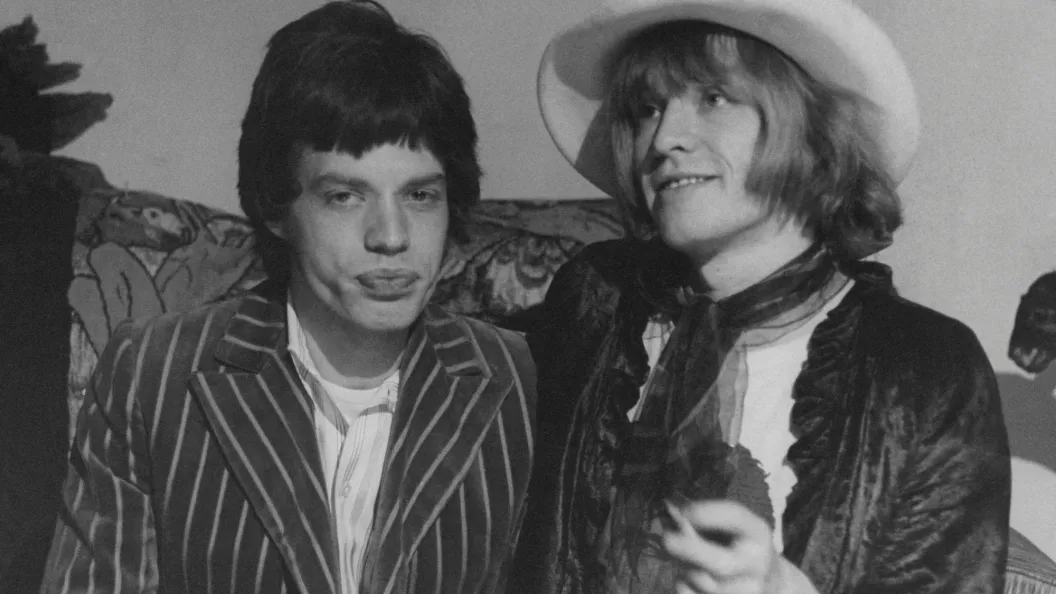
(Photo by Mondadori via Getty Images)
The post How ‘Beggars Banquet’ From 1968 Saved The Rolling Stones From Psychedelic Failure appeared first on American Songwriter.
Author: Alex Hopper
« 4 Forgotten Pop Hits From 1983 That Still Sound Fresh Today