


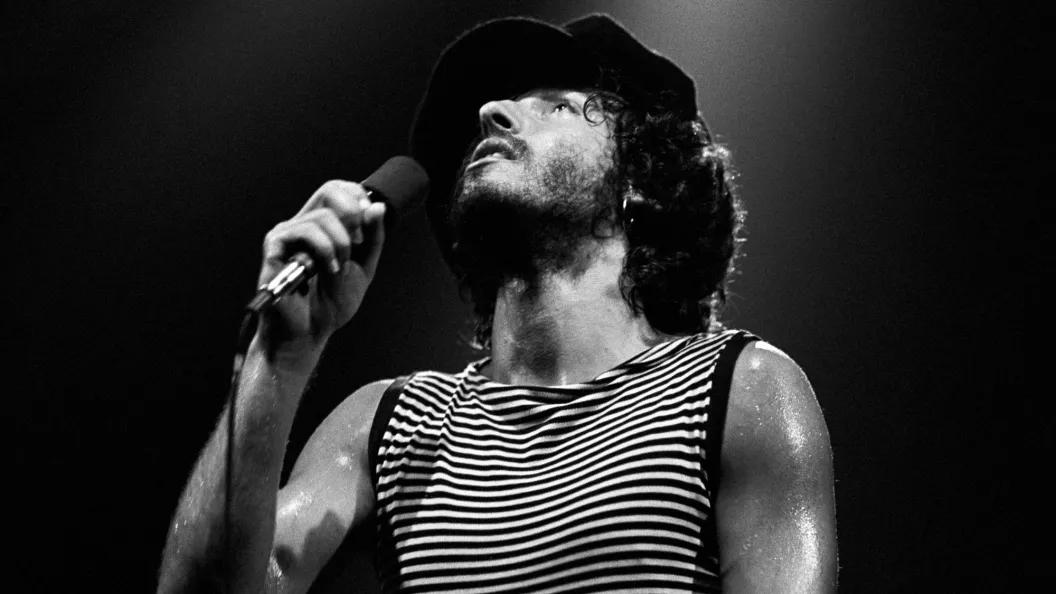
Many people consider it one of the greatest rock and roll songs of all time. That was kind of what Bruce Springsteen was going for when he wrote and recorded the single “Born To Run”. While it wasn’t a massive hit (No. 23), it did well enough to introduce Springsteen to the mainstream audience that had largely ignored him to that point.
You’ve probably heard “Born To Run” a million times. But we think you might be surprised by these little-known tidbits behind its creation.
An Early Preview
Springsteen started working on “Born To Run” not long after releasing a pair of albums that mostly flopped (at least commercially) in 1973. He already knew that he wanted his next album to head in more of a rock-oriented direction. Throughout 1974, he worked on the song, toying with different mixes. One of those mixes somehow made it out to a radio station in Philadelphia in November 1974. It was a bit of an unofficial release, one that eventually spread to other stations in the Northeast via word of mouth. The album Born To Run didn’t arrive until August of 1975. But by the time it arrived, the single “Born To Run” had given it a bit of a jump start with audiences.
Notes on a Note
Throughout their careers together, Steven Van Zandt had a way of being in the right place at the right time to help Springsteen’s career along. When he stepped up and helped with “Born To Run”, he wasn’t even a member of the E Street Band. Nor did he actually play any instrument on the recording. Van Zandt’s contribution was in mishearing the riff that Springsteen used as a foundation for the song. While Springsteen was bending the note in the recording from the minor to the major, Van Zandt could only hear the major. Springsteen thought about it from that perspective and decided to change the way it was recorded. Who knows if the song would have had the same impact without Little Steven’s subtle alteration?
Funky Drummer
Because “Born To Run”, the single, was recorded well in advance of most of the rest of Born To Run, the album, the lineup backing Springsteen had drastically changed by the time they tracked the remainder of the LP. That included a new drummer. Max Weinberg was brought aboard to give the band a little more rock wallop. On the song “Born To Run”, Springsteen had used Ernest “Boom” Carter, who was more of a fusion-type player. You can hear some of his scatting work during the instrumental break. As a matter of fact, when Weinberg started playing with the E Street Band and tried doing “Born To Run” live, he found he could never exactly replicate Carter’s part in that section of the song.
A Forgotten Version
The Hollies proved to be one of the more resilient British Invasion bands. They changed their style in the 70s time and again to stay relevant. It also helped that they had one of the best lead singers of the British bands in Allan Clarke. During the mid-70s, while also keeping up with his Hollies’ duties, Clarke looked to cultivate a solo career. His publishing company got hold of some early Springsteen tunes, including “Born To Run”. Clarke recorded a version and actually had it in the can before Springsteen was done with his own take on the song. But Clarke’s record company waited a while to release his version. By the time it arrived, Bruce’s take was already wowing audiences.
Photo by Tom Hill/WireImage
The post 4 Tidbits You Might Not Know About Bruce Springsteen’s Breakthrough Single “Born To Run” appeared first on American Songwriter.
Author: Jim Beviglia
4 Rock Songs From 1993 That I Can’t Stop Listening to Today »