


We’re looking back at the pop charts in 1976 for the sake of this article. And while we can’t deny that there were some stellar No. 1 songs that year, we’re also fascinated by the number of outstanding tracks that peaked at No. 2.
These four songs might have come up just short of pop music’s ultimate prize that year. But they’ve stood the test of time to achieve classic status, which is a pretty solid consolation.
“All By Myself” by Eric Carmen
Eric Carmen fronted The Raspberries. The power pop pioneers, except for a song or two, generally received more critical recognition than commercial notice. When Carmen struck out on his own, he mostly left behind some of the harder-rocking moments of his former band in favor of the softer stuff. Considering how well he handled the assignment on “All By Myself”, who can blame him for making that move? Carmen included a classical motif at the start of the song before moving into a typical pop ballad structure. That’s session man Hugh McCracken who delivers the sobbing guitar solo, which fits perfectly with Carmen’s elastic vocals in the chorus.
“Love Is Alive” by Gary Wright
As it turns out, we could have included Gary Wright a couple of times on this list. Wright first went to No. 2 in 1976 with the ethereal ballad “Dream Weaver”, which seemed to beam in from the Milky Way and turned Wright, previously known for a stint in Spooky Tooth and as a session keyboardist for, among others, George Harrison, into a household name. “My Love Is Alive” demonstrated his funkier side. He works that synth bass for all it’s worth to create a shifting foundation, while also coming with a quirky instrumental hook that kicks off each bar. Wright also flashes some passionate vocals throughout the track. “My Love Is Alive” made it two in a row at No. 2 for him in ’76.
“Wreck Of The Edmund Fitzgerald” by Gordon Lightfoot
It’s a testament to what Gordon Lightfoot achieved with this song that many people came out of the woodwork trying to find holes in it, mostly in terms of its faithfulness to the true story that inspired it. Those people who complained because Lightfoot might have taken some artistic license are missing the point. They should instead have focused on the song’s numerous recommending qualities. For example, notice how the rhythmic meter used by Lightfoot seems to mimic the rocking of a boat on the ocean. Or how effortlessly he captures both the seafaring jargon and the regional dialect. More than anything, Lightfoot teaches a master class in how to pace a song’s revelations to create the maximum emotional impact.
“Rubberband Man” by The Spinners
The Spinners are undoubtedly one of the 70s greatest success stories. They had been knocking around for much of the previous decade without much success. But then they became one of the most surefire purveyors of the Philly Soul sound that dominated R&B for much of the 70s. “Rubberband Man” just might stand as the band’s most electrifying creation. Like many of their hits, the brilliant songwriting team of Thom Bell and Linda Creed was behind it. It’s a marvelous Bell production, with that thumping bass grabbing your attention and the arrangement never letting go. Meanwhile, Spinners’ lead singer Phillipe Wynne completely controls the proceedings with his various ad-libs and asides. Soulful perfection that deserved better than No. 2.
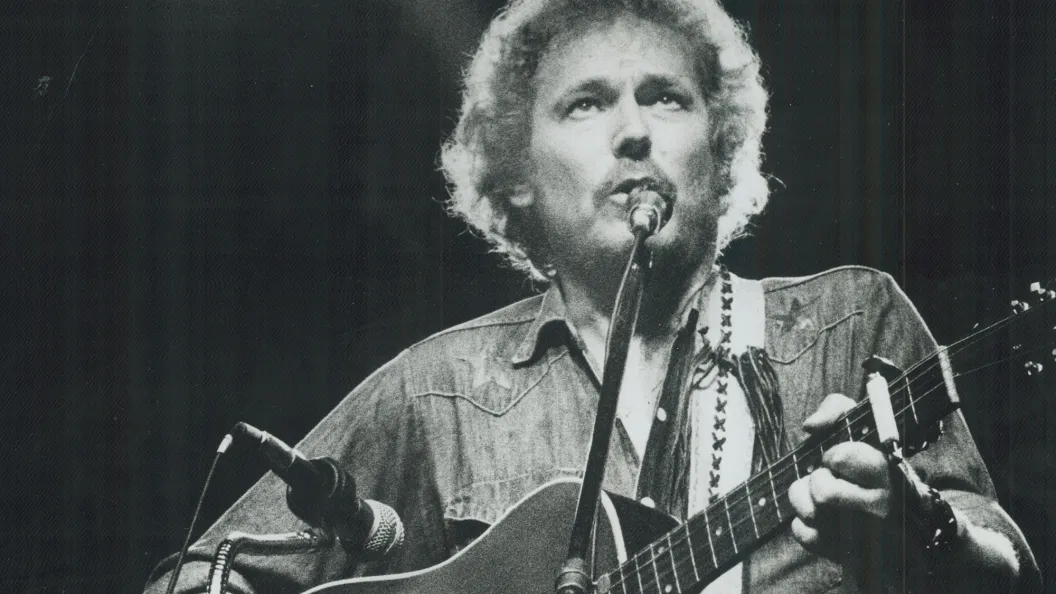
Photo by Doug Griffin/Toronto Star via Getty Images
The post 4 Terrific No. 2 Hits From the Bicentennial Year of 1976 appeared first on American Songwriter.
Author: Jim Beviglia
« 11 Years Ago Today, We Lost the Steel Guitar Wizard Who Forever Changed the Way Country Music Sounds
Jason Aldean’s Favorite Hobby With His Son Might Surprise Fans »